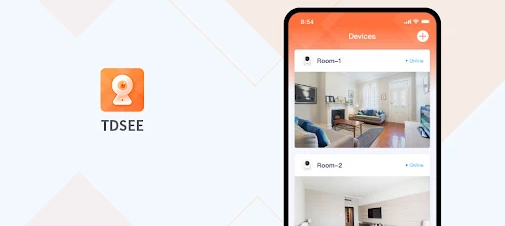
TDSEE App for Windows 7/8/10/11 PC - Free Download
In today’s digital age, security is a top priority for homeowners, business owners, and anyone looking to keep their properties protected. Video surveillance, remote monitoring, and smart device management are among the most effective ways to enhance security. One of the most popular and robust tools for achieving this is the TDSEE app. TDSEE provides a comprehensive suite of features, such as live video feeds, motion detection, alarm notifications, and two-way audio, all designed to offer top-tier security.
While TDSEE is typically available for Android and iOS devices, many users prefer to manage their security systems on a larger screen. If you want to use TDSEE on your Windows PC, this guide will walk you through the process of downloading, installing, and using the TDSEE app on your computer. Whether you're new to the app or you're looking to transition from mobile devices, this guide will cover everything you need to know.
What is the TDSEE App?
Before diving into the specifics of installing the TDSEE app on your Windows PC, let's first understand what the app is and what it offers.
The TDSEE app is a smart surveillance tool that allows users to monitor video feeds from security cameras, control other connected smart devices, and receive real-time notifications on unusual activities. It’s designed to simplify the process of monitoring your home, office, or other properties through features such as:
Real-time video monitoring from multiple cameras
Motion detection with smart tracking
Two-way audio for communication through connected devices
Instant alarm notifications triggered by unusual activity
Cloud storage to securely store footage
Device management for controlling locks, lights, and other smart devices
The ability to manage your security system through a single app provides users with both convenience and peace of mind, knowing their properties are protected 24/7.
Why Use TDSEE on Your Windows PC?
While TDSEE is primarily designed for use on mobile devices (Android and iOS), there are several reasons why you might prefer to use it on your Windows PC:
Larger Screen: Watching video feeds and reviewing footage is easier on a larger screen. A desktop or laptop allows you to monitor your security system with better visibility and more control.
Enhanced User Experience: With the power of a PC, you can enjoy more features at once, such as simultaneously viewing multiple camera feeds or accessing additional settings.
More Convenient for Long-Term Monitoring: If you need to monitor your cameras for extended periods, a PC provides the comfort and reliability that a phone or tablet might not.
Multi-tasking: A PC allows you to run the TDSEE app alongside other applications, making it easier to switch between monitoring your security and managing other tasks.
Performance: PCs generally have higher processing power than mobile devices, making them more suitable for managing larger video feeds or streaming multiple cameras simultaneously without lag.
Now that you understand why using TDSEE on your Windows PC is beneficial, let’s move on to how to get started.
Download TDSEE App on Your Windows 7/8/10/11 PC
The TDSEE app is not available as a direct download for Windows, but you can still use it by installing an Android emulator. An emulator allows you to run Android apps on your PC, making it possible to download and use TDSEE just as you would on a smartphone.
Here’s how to do it:
Step 1: Install an Android Emulator on Your PC
An Android emulator simulates an Android device on your Windows PC, allowing you to run Android apps. There are several popular emulators, but BlueStacks is one of the best options for running TDSEE.
Download BlueStacks:
Go to the official BlueStacks website.
Click the Download BlueStacks button to download the installer.
Install BlueStacks:
Once the installer is downloaded, open it to begin the installation process.
Follow the on-screen instructions to install BlueStacks on your PC. The installation process should only take a few minutes.
Launch BlueStacks:
Once installed, open the BlueStacks application. It will take a moment to load the first time.
Step 2: Set Up Google Play Store on BlueStacks
In order to download the TDSEE app, you’ll need to access the Google Play Store through BlueStacks:
Sign In to Google Account:
After BlueStacks is launched, you'll be prompted to sign in with your Google account (just like setting up a new Android device).
Enter your Google account credentials to complete the sign-in process. If you don’t have a Google account, you can create one during the setup.
Access the Google Play Store:
Once logged in, open the Google Play Store app from the BlueStacks homepage. This is where you can search for and install Android apps.
Step 3: Download and Install the TDSEE App
Search for TDSEE:
In the Google Play Store, type "TDSEE" in the search bar and hit Enter.
Install the TDSEE App:
From the search results, click on the TDSEE app.
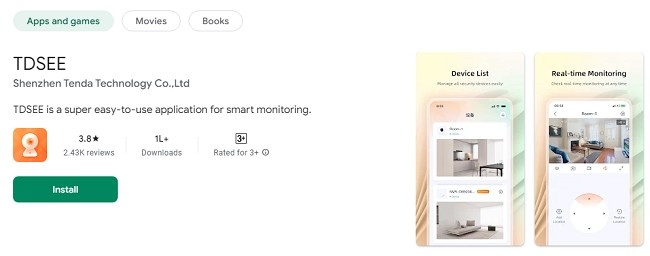
Click on the Install button. The app will automatically begin downloading and installing on your BlueStacks emulator.
Wait for the Installation to Complete:
Once the app is installed, you will see the TDSEE icon on the BlueStacks homepage.
Step 4: Launch the TDSEE App on Your PC
Open TDSEE:
Click the TDSEE icon in BlueStacks to open the app.
Log In or Create an Account:
If you already have a TDSEE account, log in with your email and password.
If you're new to TDSEE, you can create a new account by following the on-screen prompts.
Once logged in, you’re ready to begin setting up and using the TDSEE app on your Windows PC.
How to Set Up & Use TDSEE App on Your Windows PC?
Now that the TDSEE app is installed on your PC, let's look at how to set it up and start using it effectively.
Step 1: Add Your Devices
Connect Devices:
Once logged in, the app will prompt you to add security devices such as cameras, sensors, or smart locks. Follow the on-screen instructions to link these devices to the app.
You may need to scan QR codes or enter the Wi-Fi credentials for each device to complete the setup.
Sync Devices:
Ensure that your devices are synced with the TDSEE app by checking the connection status. The app will notify you if any devices are offline or having trouble syncing.
Step 2: Customize Notification Preferences
Set Up Alerts:
The TDSEE app allows you to receive motion detection alerts or other notifications when unusual activity is detected. Set up these preferences by going into the Settings menu.
Choose how you would like to receive notifications, whether it’s via email, push notifications, or SMS.
Adjust Sensitivity:
You can adjust the motion sensitivity for each device to reduce false alerts. For instance, you may want to set different sensitivities for outdoor cameras compared to indoor ones.
Step 3: Use Live Video Monitoring
View Live Feeds:
On the main dashboard of the TDSEE app in BlueStacks, click on any camera feed to view live video. You can switch between cameras if you have multiple devices connected.
Zoom & Pan:
Use the on-screen controls to zoom in on areas of interest or pan across the live feed to check specific locations. This feature is handy when you want to focus on particular parts of your property.
Step 4: Use Two-Way Audio and Video Playback
Two-Way Audio:
With TDSEE, you can interact with people through your cameras using two-way audio. Tap on the microphone icon to speak and listen to anyone in the vicinity of your cameras.
Playback Footage:
The app also allows you to review past footage using the video playback feature. Access recordings by selecting the Timeline or Video History option and selecting the specific time or date you wish to review.
Step 5: Manage Smart Devices
Control Smart Devices:
Use the app to control various connected smart devices such as smart locks, lights, or alarms. This is useful for automating your security system and controlling access remotely.
Automate Settings:
Set up schedules for devices or trigger certain actions based on motion detection. For example, you can set up your lights to turn on when the camera detects movement.
Troubleshooting Tips for Using TDSEE on Windows PC
While using TDSEE on your Windows PC via BlueStacks, you may encounter some common issues. Here are a few troubleshooting tips:
1. TDSEE App Not Launching:
Restart BlueStacks: Close and reopen the BlueStacks emulator.
Reinstall the App: If the issue persists, try uninstalling and reinstalling the TDSEE app.
2. Connection Issues:
Check Wi-Fi Connection: Make sure your PC and security devices are on the same Wi-Fi network.
Sync Devices: Ensure that each device is properly synced with the TDSEE app.
3. Lagging Video Feed:
Lower Video Quality: In the app’s settings, lower the video quality to improve performance, especially if you are viewing multiple feeds simultaneously.
Upgrade PC Specifications: If you frequently experience lag, consider upgrading your PC’s hardware or adjusting BlueStacks settings for better performance.
Conclusion
Downloading and using the TDSEE app on your PC is a straightforward process that enhances your security setup by providing larger, more detailed video feeds and access to all of TDSEE’s powerful features. By using an Android emulator like BlueStacks, you can enjoy the same high-quality monitoring and device management as you would on a mobile device, but with the added benefit of a larger screen and enhanced user experience.
Whether you are monitoring live video feeds, controlling your smart devices, or reviewing past footage, TDSEE on your PC offers a seamless and convenient way to keep your property secure. Follow the steps in this guide to get started and enjoy all the benefits TDSEE has to offer right from the comfort of your Windows PC.
Trending Now
Updates